Chosen theme: Healthy Lifestyle Habits for Freelancers. Welcome, independent creators and consultants—this is your friendly, energizing home base for doing great work without sacrificing health, joy, or your weekends. Subscribe, share your routine wins, and let’s grow sustainable momentum together.
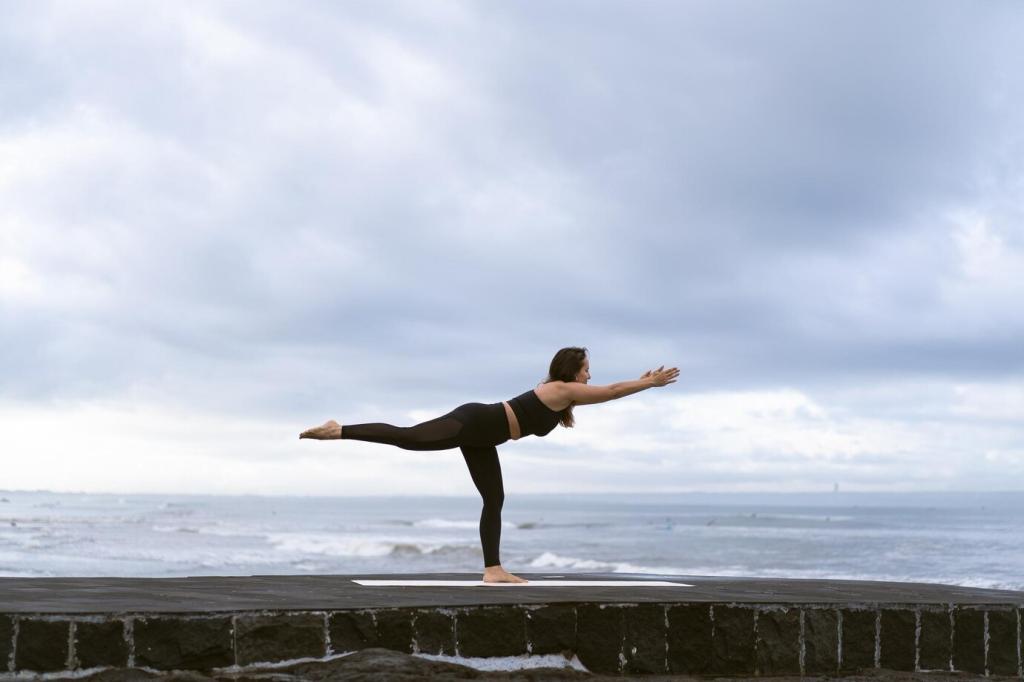
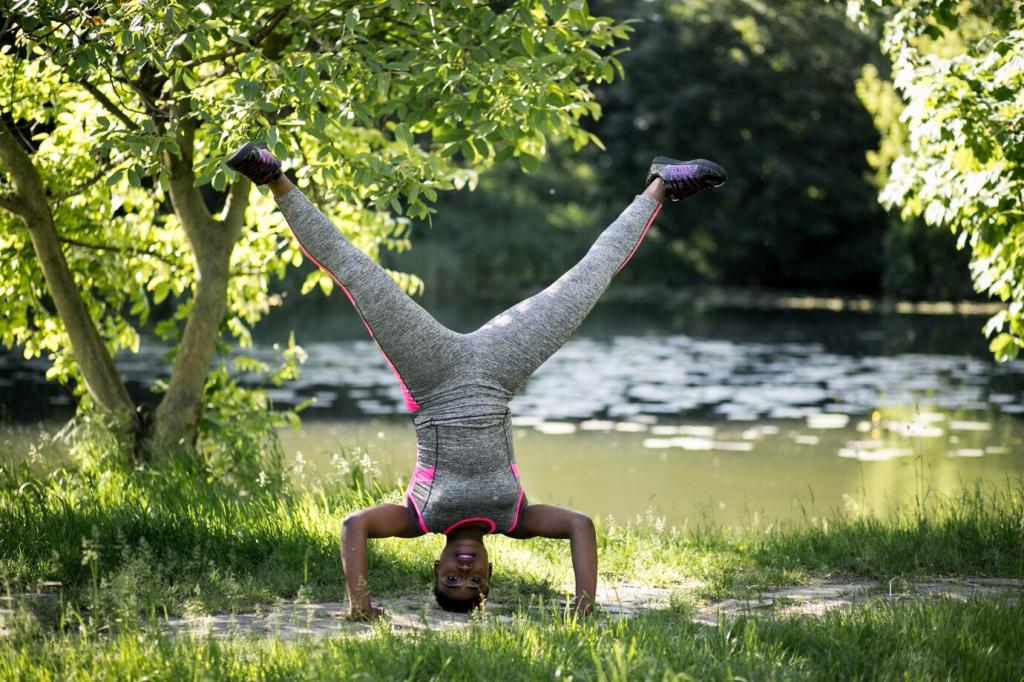
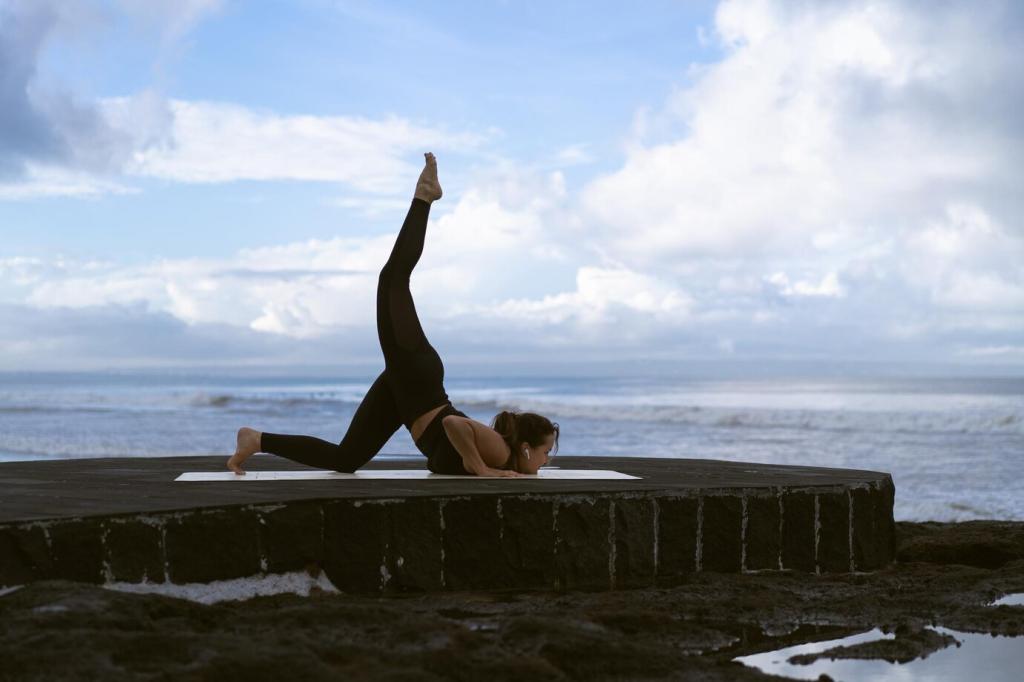
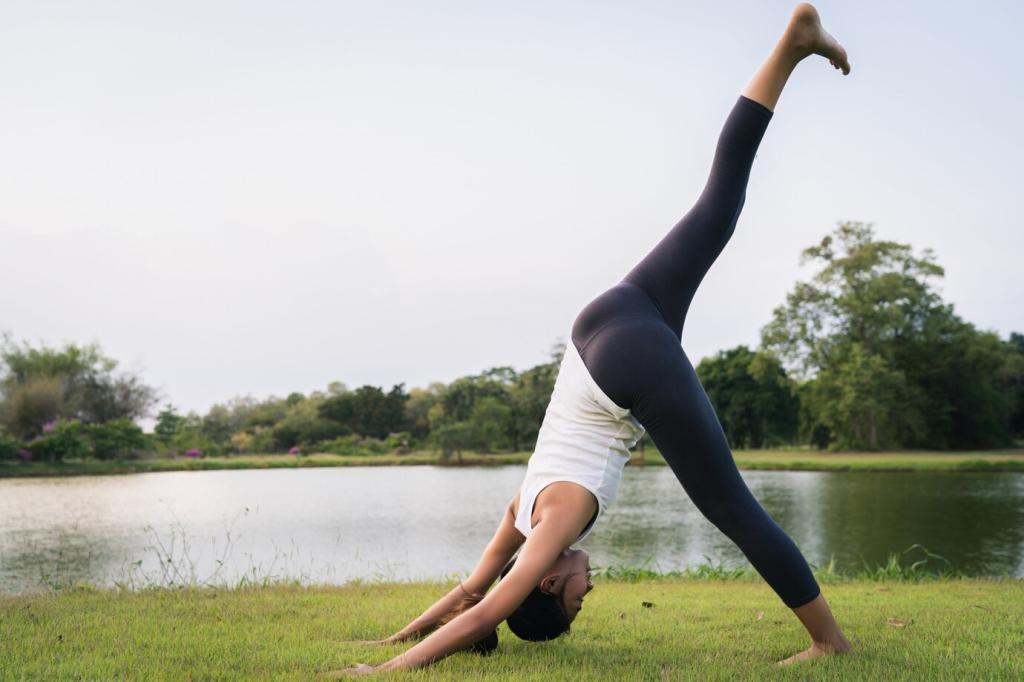
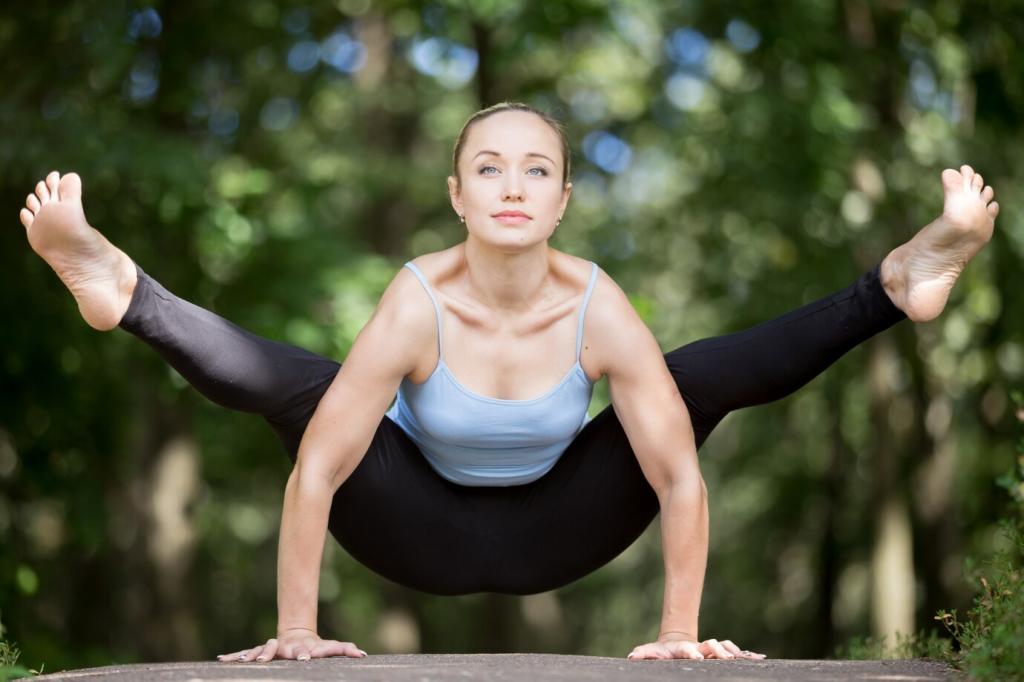
Stack movement onto transitions. After sending a draft, do thirty bodyweight squats or a two-minute plank. The World Health Organization recommends at least one hundred fifty minutes weekly; your micro-bursts add up faster than you think.
Keep hips and knees near ninety degrees, shoulders relaxed, and wrists neutral. Place your screen at eye level to avoid neck strain. Every small alignment choice defends your long-term creative capacity and prevents sneaky pain from stealing focus.
Batch cook protein, roast vegetables, and portion complex carbs on Sunday. Label containers by project days. When client requests shift unexpectedly, your meals will not. You will save decisions for creative work, not frantic lunchtime improvisation.
Nutrition That Fuels Deep Work
Begin with water before coffee to avoid dehydration. Caffeine’s half-life averages five to six hours, so set an afternoon cutoff. Many freelancers report fewer evening jitters and better sleep once they respect that quiet boundary with their latte.
Nutrition That Fuels Deep Work
Choose nuts, berries, yogurt, hummus, or sliced peppers instead of sugar bombs. Pair protein with fiber to avoid spikes. One writer switched to apples and almond butter and noticed steadier concentration during long edit sessions and dense research blocks.
Mental Fitness and Boundaries
Breathwork Meets Pomodoro
Try twenty-five minutes of focus followed by a three-minute box-breath session: inhale, hold, exhale, hold—all equal counts. The pause resets your nervous system, clears task residue, and keeps your next sprint steady rather than frantic.
Notification Hygiene
Silence nonessential alerts, batch communication windows, and move social apps off your home screen. One designer created a noon and four o’clock inbox block and felt calmer, faster, and unexpectedly more creative during client brainstorming calls.
Self-Compassion as a Performance Tool
Missed a deadline or overestimated capacity? Replace harsh self-critique with a brief reflection: what happened, what I learned, what I will try next. Progress compounds when guilt steps aside and practical adjustments drive tomorrow’s choices.
Keep your monitor an arm’s length away at eye height. Use a footrest if feet dangle. Small tweaks reduce neck strain and shoulder tension so proposals, code, or illustrations can flow without your body arguing back.
Identify your natural peak hours and place demanding tasks there. Night owls, protect late-morning deep work; early birds, claim sunrise. A photographer who shifted edits to her peak window finished faster and left evenings truly restorative.
Nap Wisely
Use ten to twenty minute power naps, ideally before three o’clock, to avoid grogginess. Set a gentle alarm and darken the room. Short naps revive focus without stealing nighttime sleep, especially after intense creative sprints or back-to-back calls.
Evening Light Hygiene
Dim screens and home lighting an hour before bed. Blue light disrupts melatonin, so switch devices to warmer tones. A simple lamp with a soft bulb transformed one freelancer’s rest and, unexpectedly, the tone of her morning writing.